


Our Blog
Our Blog
Cupping Therapy for Muscle Recovery & Pain: What to Expect
Cupping therapy has been used for thousands of years, from traditional Chinese medicine to ancient Egyptian practice, and it's still one of the most popular natural tools for muscle recovery and pain relief today. At Prosper Health & Rehab, our practitioners use cupping to ease tight and sore muscles, improve local circulation, and support the body's natural recovery, often as part of a wider massage or rehabilitation plan.
If you're dealing with persistent pain, tight or fatigued muscles, or you simply want a non-invasive way to recover faster, this guide covers what cupping therapy is, how it helps with muscle recovery, what a session feels like, the difference between wet and dry cupping, what the marks mean, and the answers to the questions people ask most.
What Is Cupping Therapy?
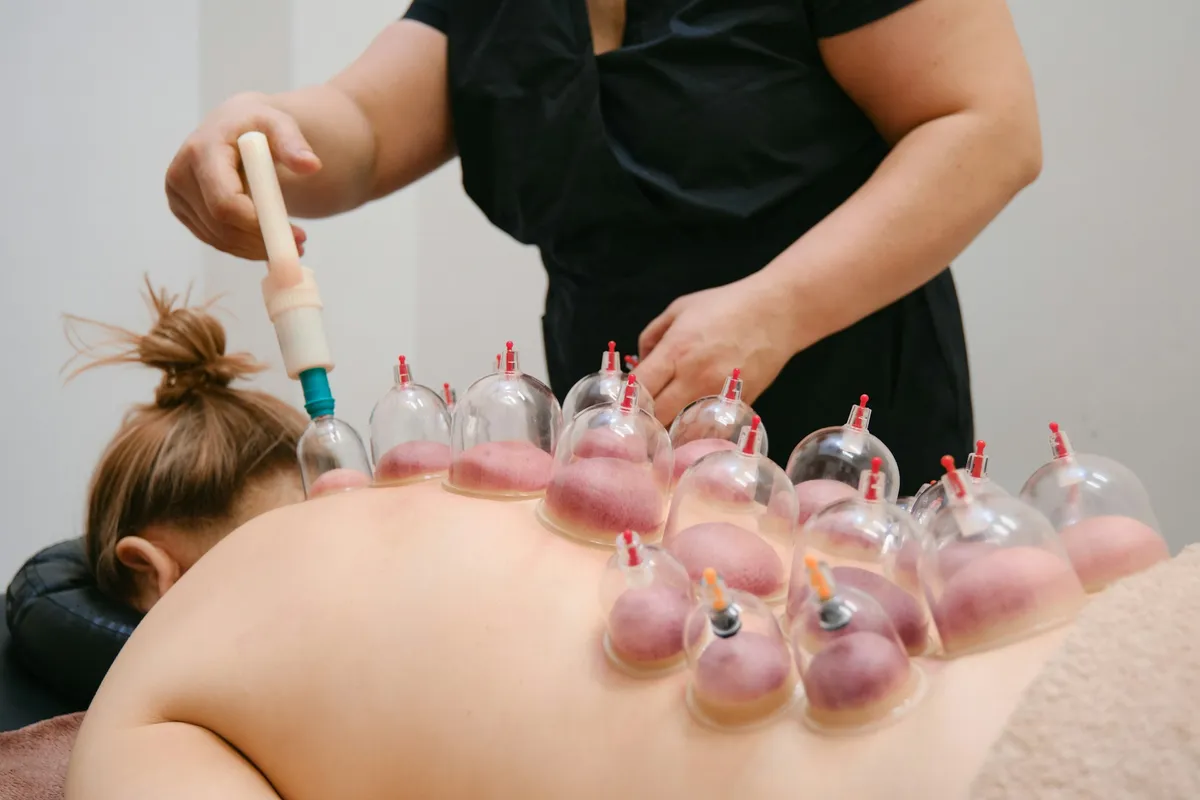
Cupping therapy places cups, usually glass, silicone or plastic, on targeted areas of the body and creates a vacuum inside them using heat or a mechanical pump. The suction gently lifts the skin and underlying soft tissue away from the muscle. This increases blood flow to the area, helps release muscle tension and fascial restriction, and supports the body's natural healing response.
The practice dates back more than 3,000 years to ancient Egyptian and Chinese civilizations, where it was used to treat a range of ailments and to strengthen the body. It has stayed popular because it's simple, non-invasive, and, for many people, effective at loosening tight muscles and easing discomfort.
Cupping Therapy for Muscle Recovery and Athletic Performance
One of the most common reasons people turn to cupping is muscle recovery. When a cup creates suction, it lifts the soft tissue and draws fresh, oxygen-rich blood to the area. That boost in local circulation is thought to help flush metabolic waste, deliver nutrients to tired muscles, and ease the tightness that builds up after training or physically demanding work.
Athletes and active people often use cupping between workouts to loosen overworked muscle groups, calves, hamstrings, the upper back and shoulders, and to reduce the heavy, fatigued feeling that follows hard effort. It's usually combined with massage or physiotherapy rather than used alone: the cupping releases the superficial tissue while hands-on treatment addresses the deeper restriction.
It's worth being realistic about the evidence. Research on cupping for muscle recovery and performance is still limited and mixed, and results vary from person to person. What's consistent is that many people report feeling looser and less tense afterward, which is why cupping has become a popular recovery tool alongside stretching, massage and rehabilitation. Many of our clients pair it with physiotherapy in Vancouver or hands-on active rehabilitation for faster, longer-lasting results.
Benefits of Cupping Therapy
Cupping therapy is used as a natural, non-invasive way to support pain relief, muscle recovery and overall well-being. The benefits people most often look for include:
●Pain relief: by improving blood flow and releasing muscle tension, cupping can help ease both acute and chronic muscular pain.
●Muscle recovery and relaxation: it helps relieve soreness, tightness and fatigue after physical activity, supporting faster recovery.
●Stress reduction: many people find the sensation deeply relaxing, which can help lower tension and support mental well-being.
●Improved circulation: the suction stimulates local blood flow, which supports the body's natural recovery processes.
Cupping isn't a cure for any medical condition, and it works best as one part of a broader treatment plan tailored to your needs.
Conditions Cupping Therapy Can Help With
Cupping is most often used as part of a treatment plan for muscle and soft-tissue complaints, including:
●Muscle tension and tightness — especially across the upper back, shoulders and neck
●Sore or fatigued muscles after exercise, training or repetitive physical work
●Back and neck pain linked to tight muscles and restricted fascia
●Sports-related strains and general recovery between activity
●Postural strain from desk work and prolonged sitting
●General stress and tension, where many people find the treatment relaxing
If your pain is persistent or you're unsure of the cause, it's best to be assessed first so treatment can be tailored to you. Cupping is often used to relieve the muscle tension that goes hand in hand with back and neck pain — which is why our team may combine it with massage therapy and, for spine-related or postural pain, chiropractic care in Vancouver.
Wet Cupping vs. Dry Cupping: What's the Difference?
Cupping isn't a single technique. The two main approaches — dry and wet — share the same suction principle but are used in different situations.
Dry cupping relies on suction alone. Cups are placed on the skin, and a vacuum is created with heat or a pump, lifting the tissue upward. The cups are either left in place for a few minutes (static cupping) or moved across oiled skin (gliding cupping). This is the most common form used for muscle tension and recovery.
Wet cupping adds a second step: after suction, the practitioner makes a few tiny, superficial scratches on the skin and reapplies the cup to draw out a small, controlled amount of blood. It's a more specialized technique and, in British Columbia, should only be performed by a qualified practitioner using sterile, single-use equipment.
Dry Cupping | Wet Cupping | |
Method | Suction only | Suction + small superficial incisions |
Draws blood? | No | Yes — a small, controlled amount |
Most often used for | Muscle tension, recovery, relaxation | Targeted, practitioner-directed treatment |
Marks left | Temporary circular discolouration | Discolouration plus tiny surface marks |
Most people who come in for muscle recovery or pain relief receive dry cupping. If you're curious whether wet cupping is appropriate for you, our practitioners can talk through the options at your first visit.
What Is Cupping Massage (Gliding or Body Cupping)?
Cupping massage — sometimes called gliding or body cupping — is a dynamic form of dry cupping. Instead of leaving the cups in one place, the practitioner applies oil and slides the suctioned cups across the muscle. The effect is a bit like a reverse-pressure deep tissue massage: rather than pressing down into the tissue, the cup gently lifts and mobilizes it.
This technique is popular for larger muscle groups such as the back, shoulders, glutes and legs, where it can release broad areas of tension and improve the feeling of mobility. Because the cups keep moving, gliding cupping usually leaves lighter marks than static cupping. It's frequently built into a massage session rather than booked on its own.
Combining Cupping with Gua Sha (Scraping)
Cupping is often paired with gua sha, a technique that uses a smooth-edged tool to gently scrape and glide along the skin and muscle. Where cupping lifts the tissue with suction, gua sha works across it with pressure; together, they address soft-tissue restriction from two directions.
A practitioner may use scraping to warm up and release a tight area, then apply cups to the most restricted spots. Like cupping, gua sha can leave temporary redness that fades within a few days. Combining the two is common for stubborn upper-back and shoulder tension.
Cupping Therapy at Prosper Health & Rehab: What to Expect
At your first visit, your practitioner will assess your needs and health goals and build a personalized treatment plan. During the session, cups are placed on targeted areas and the vacuum is created using heat or a mechanical pump.
Does cupping hurt? For most people, no. You'll usually feel a tight pulling or pressure sensation rather than sharp pain, and it settles quickly as your body adjusts. Gliding cupping can feel like a firm massage. Tell your practitioner at any point if the suction feels too strong — it can always be adjusted.
It's normal for cupping to leave temporary circular discolouration at the treatment site. This is expected and not a cause for concern — the next section explains exactly what the marks mean and how long they last.
Cupping Marks: What They Mean and How Long They Last
The round marks left by cupping are one of the most asked-about parts of the treatment. They are not bruises in the usual sense — a bruise comes from impact, whereas cupping marks come from suction drawing blood toward the surface of the skin. They're generally not painful to the touch.
Most marks fade within three to seven days, though deeper discolouration can occasionally last up to about ten. In traditional practice, darker marks are interpreted as more underlying tension or stagnation in that area, and they tend to lighten with repeated sessions.
It's also normal to feel mildly sore or tender for 24–48 hours afterward, similar to how you might feel after a deep tissue massage. That's a sign of increased blood flow to the area, not an injury.
Post-Cupping Care and Maintenance
To get the most from your cupping sessions, keep these simple aftercare tips in mind:
●Stay hydrated before and after your session to support circulation.
●Rest and avoid intense physical activity for the rest of the day, giving your body time to recover.
●Keep the area warm and apply a warm or cool compress to any tender spots if needed.
●Support recovery with gentle self-care such as light stretching, deep breathing or meditation.
Cupping Therapy in Vancouver, Surrey and Langley
Prosper Health & Rehab offers cupping therapy as part of our massage and rehabilitation services at our Vancouver, Surrey and Langley clinics. Our practitioners combine cupping with hands-on care, so your treatment targets the root of the problem, not just the symptoms. In Surrey, that often means pairing cupping with physiotherapy in Surrey or chiropractic care in Surrey as part of one coordinated plan.
Many extended health plans help cover treatment when it's delivered as part of a registered service, and we offer direct billing. We also handle ICBC and WorkSafeBC claims. To learn more or book, visit our cupping therapy page or book an appointment.
Cupping Therapy FAQs
Does cupping therapy hurt?
For most people, cupping does not hurt. It's usually described as a tight pulling or pressure sensation rather than sharp pain, and it's temporary. Gliding cupping can feel like a firm massage. Wet cupping involves very small, superficial incisions made by a trained practitioner, and any discomfort is generally mild. Always tell your practitioner if anything feels too intense so they can adjust the suction.
Does cupping help with sore or tight muscles?
Many people find cupping helpful for sore and tight muscles. By creating suction, it increases local blood flow and lifts the fascia and soft tissue, which can ease the sensation of tightness and tension. The research is still limited, and results vary, so cupping is best used alongside massage, stretching or physiotherapy rather than on its own.
Why am I sore after cupping, and is that normal?
Mild soreness or tenderness for 24 to 48 hours is normal and similar to how you might feel after a deep tissue massage. It reflects the increased blood flow to the area, not an injury. Staying hydrated, keeping the area warm and resting for the rest of the day usually helps. If soreness is severe or lasting, let your practitioner know.
How long do cupping marks last?
Cupping marks typically fade within three to seven days, and occasionally up to about ten days for deeper discolouration. They are caused by suction drawing blood toward the skin's surface, not by impact, so they're generally painless. The colour tends to lighten with repeated sessions as muscle tension releases.
What's the difference between wet cupping and dry cupping?
Dry cupping uses suction alone to lift the tissue, and is the most common form for muscle recovery and relaxation. Wet cupping adds a few tiny, superficial scratches to draw out a small, controlled amount of blood, and is a more specialized technique. In British Columbia, wet cupping should only be performed by a qualified practitioner using sterile, single-use equipment.
What is cupping and scraping (gua sha)?
Gua sha, or scraping, uses a smooth-edged tool to glide along the skin and muscle and release soft-tissue restriction. It's often combined with cupping: scraping warms up and loosens an area, while cups target the tightest spots. Like cupping, gua sha may leave temporary redness that fades within a few days.
Can cupping therapy be done on the feet?
Yes. Smaller cups can be used on the feet and hands to address tension in areas like the arch of the foot. It's the same suction principle used elsewhere on the body, scaled to the smaller area.
How many cupping sessions will I need?
It varies by person and goal. Some people feel relief after a single session, while chronic tension may respond better to a short series of treatments spaced over a few weeks. Your practitioner will recommend a plan based on your assessment.
Is cupping therapy covered by extended health or ICBC?
Cupping is usually delivered within a registered massage therapy or physiotherapy treatment, so coverage depends on your provider type and your specific plan. We offer direct billing to many extended health plans and handle ICBC and WorkSafeBC claims — contact us and we can confirm your coverage before you book.
Ready to Try Cupping Therapy?
Cupping therapy is a simple, non-invasive way to ease muscle tension, support recovery, and relieve pain, especially when it's combined with massage and rehabilitation in a plan built around you. If you're dealing with tight, sore muscles or persistent pain, our team at Prosper Health & Rehab in Vancouver, Surrey and Langley can help. Book an appointment today, or learn more about our cupping therapy services.
For a Healthier Life
For a Healthier Life


SERVICES
SERVICES
COMPANY
BILLING