


Our Blog
Our Blog

Comprehensive Guide to Pregnancy Pelvic Floor Health
Pelvic Floor Health During Pregnancy: Your Complete Guide to Staying Strong and Comfortable
Meet Mia’s Journey to a Stronger Pelvic Floor
Pelvic floor health during pregnancy is one of the most important, and least talked about, parts of staying comfortable through all three trimesters. Mia loved feeling her baby kick, right up until a sneeze led to an embarrassing leak at her baby shower. She also found that sitting through work meetings made her hips ache and brought on a heavy, dragging pressure down low. Sound familiar? Like Mia, many moms-to-be experience pelvic floor issues, from bladder leaks to pelvic pressure and back pain. The good news: pelvic floor physiotherapy during pregnancy can help prevent these issues and make childbirth recovery smoother. At Prosper Health & Rehab, patients can explore physiotherapy services tailored to their individual needs.
Let’s spend a few minutes on the pelvic floor, what it does, why pregnancy puts it under strain, how to relieve pelvic pressure, which exercises are safe, and when to see a specialist.
What’s the Pelvic Floor? (And Why Pregnancy Tests It)
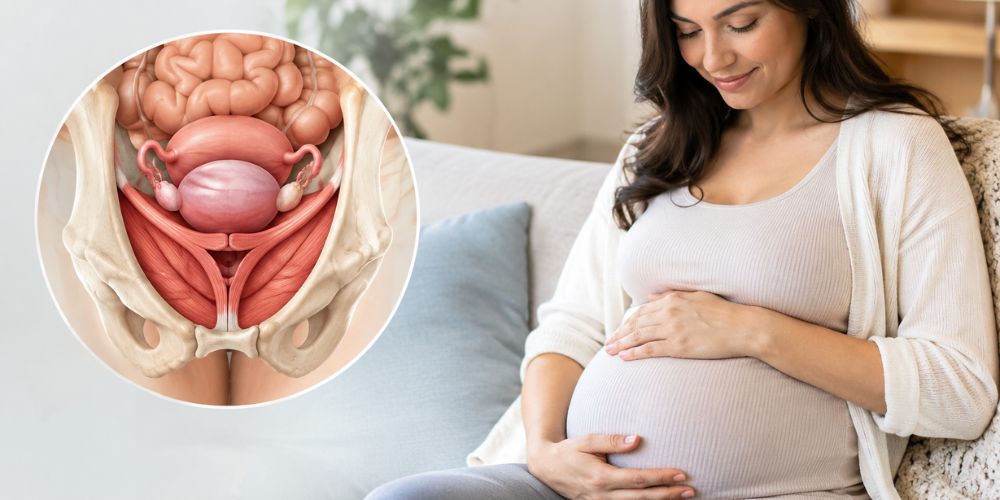
Your pelvic floor kind of looks like a hammock-like group of muscles that support your bladder, uterus, and bowels. During pregnancy, your hormones loosen these muscles, and your growing baby also adds increased pressure. This can lead to:
Stress incontinence (leaking when you laugh, cough, or sneeze)
Pelvic pain (aching hips, lower back or the pubic area)
Heaviness or prolapse
Pelvic floor issues affect up to half of pregnant women, and most people don’t talk about it, so many moms assume it’s just part of pregnancy. It doesn’t have to be.
Pelvic Floor Exercises: Not Just Kegels!
Kegels get all the hype; seriously, everyone knows about these exercises now. But pregnancy-safe routines involve a lot more than just kegels:
Deep Core Breathing: Inhale, letting your tummy expand. Exhale and slowly lift pelvic muscles (like stopping pee midstream).
Squats with Support: Use a chair to practice sitting back, hold on to the chair, and then slowly squat down while keeping knees aligned over toes.
Side-Lying Leg Lifts: Strengthen your hips and glutes, which can help ease pelvic strain.
With your doctor’s approval, swimming, prenatal yoga and light strength training are all safe and effective for most pregnancies.
As early as you can, ideally in the first trimester, or even before you conceive. Starting early builds strength and good habits before the heaviest loads of late pregnancy.
5 Benefits of Pelvic Floor Care During Pregnancy
Fewer Leaks: Strengthen muscles to stop any accidents.
Easier Labour: A strong pelvic floor helps with things like pushing and recovery.
Less Back Pain: Stabilize your pelvis and back as your bump grows in size and weight
Prevent Prolapse: Support your organs
Boost Confidence: Feel empowered
When to See a Pelvic Floor Physiotherapist
While exercises help, see a specialist if you:
Leak urine regularly
Feel pelvic pressure when you are standing
Pain during sex (common in later trimesters)
Had previous birth injuries (like tearing)
“I waited until postpartum,” says Jenna, a mom of two. “Wish I’d gone soonermy second pregnancy was way smoother!”
Many women assume discomfort, leaks and pain are just part of pregnancy, but that’s not true. Pelvic floor physiotherapy isn’t only about preventing leaks; it also reduces pain and makes recovery smoother, and the earlier you start, the better. If you’re in the Lower Mainland, our prenatal physiotherapy in Surrey offers pelvic floor assessments tailored to your trimester.
What Happens in a Pelvic Floor Therapy Session?
No stirrups or awkwardness; leave that for your old dusty doctor clinics. Pelvic floor physio sessions focus on your comfort:
Assessment: Your pelvic floor physiotherapist will check posture, breathing, and muscle strength (external exams only unless you consent to internal checks).
Custom Exercises: Tailored specialized exercises for your specific trimester and symptoms.
Birth Prep: Learn perineal massage techniques and other specialized tools to reduce tearing.
Tools: Specialized equipment to help make exercises easier.
3 Mistakes to Avoid
Overdoing Kegels: Tight muscles can and will cause more pain
Doing Kegels WRONG: Most people are doing Kegel exercises completely wrong.
Ignoring Pain: Don’t tough it out; make it better.
Skipping Postpartum Care: Your pelvic floor will need some TLC after birth
How to Find a Pelvic Floor Specialist
At Prosper Health & Rehab, our pelvic floor physiotherapists see pregnant and postpartum patients across the Lower Mainland, including pelvic floor physiotherapy in Vancouver. And because pelvic floor strain so often comes with pregnancy-related back and hip pain, some women also benefit from chiropractic care in Surrey or chiropractic care in Vancouver as part of a combined plan.
Your Pelvic Floor Deserves Attention Now
Pregnancy transforms your body in amazing ways, but it doesn’t have to leave you with lasting pain, leaks or pressure. Taking small steps today, learning to breathe into your pelvic floor, exercising safely, and getting assessed when something feels off can prevent bigger problems later. As Mia learned, pelvic floor care isn’t about surviving pregnancy; it’s about thriving through it. Book a pelvic floor physiotherapy appointment with our team to build a plan for your pregnancy and recovery.
Frequently Asked Questions
What does pelvic floor pressure during pregnancy feel like?
Most people describe it as heaviness or fullness low in the belly, vagina, or rectum — like something is pressing down. It typically increases with standing, walking, or by the end of the day, and eases with rest.
How can I relieve pelvic pressure during pregnancy fast?
Lie on your side with a pillow between your knees, do a few pelvic floor "drops" (relax and lengthen rather than squeeze), and take the weight off your feet for 10–15 minutes. A supportive maternity belt also helps during activity.
When should I start pelvic floor exercises during pregnancy?
As early as the first trimester, there's no need to wait. Starting early helps your pelvic floor manage the increasing load through the second and third trimesters.
What are the symptoms of a weak pelvic floor during pregnancy?
Leaking urine with coughing or sneezing, a heavy or bulging feeling in the vagina, pelvic or lower back pain, and reduced core stability are the most common signs.
Is pelvic floor pressure during pregnancy normal, or a sign of something wrong?
Mild, intermittent pressure is common and usually normal, especially after 20 weeks. Sudden, severe, or rhythmic pressure, or pressure with bleeding, fluid leakage, or reduced fetal movement, needs same-day medical attention.
What is prenatal pelvic floor physiotherapy?
It's a specialized physiotherapy assessment and treatment plan for the pelvic floor during pregnancy, covering strength, coordination, pain, and birth preparation, delivered by a physiotherapist trained in pelvic health.
Can pelvic floor exercises hurt more than help?
Yes, if done incorrectly. Overdoing Kegels or doing them with the wrong technique can tighten the pelvic floor further and worsen pain or pressure, which is why an assessment matters more than a generic exercise list.
Do I need a referral to see a pelvic floor physiotherapist?
No referral is required in most cases. You can ask your OB/GYN or midwife for a recommendation, or book directly with a pelvic health-certified physiotherapist.

Comprehensive Guide to Pregnancy Pelvic Floor Health
Pelvic Floor Health During Pregnancy: Your Complete Guide to Staying Strong and Comfortable
Meet Mia’s Journey to a Stronger Pelvic Floor
Pelvic floor health during pregnancy is one of the most important, and least talked about, parts of staying comfortable through all three trimesters. Mia loved feeling her baby kick, right up until a sneeze led to an embarrassing leak at her baby shower. She also found that sitting through work meetings made her hips ache and brought on a heavy, dragging pressure down low. Sound familiar? Like Mia, many moms-to-be experience pelvic floor issues, from bladder leaks to pelvic pressure and back pain. The good news: pelvic floor physiotherapy during pregnancy can help prevent these issues and make childbirth recovery smoother. At Prosper Health & Rehab, patients can explore physiotherapy services tailored to their individual needs.
Let’s spend a few minutes on the pelvic floor, what it does, why pregnancy puts it under strain, how to relieve pelvic pressure, which exercises are safe, and when to see a specialist.
What’s the Pelvic Floor? (And Why Pregnancy Tests It)
Your pelvic floor kind of looks like a hammock-like group of muscles that support your bladder, uterus, and bowels. During pregnancy, your hormones loosen these muscles, and your growing baby also adds increased pressure. This can lead to:
Stress incontinence (leaking when you laugh, cough, or sneeze)
Pelvic pain (aching hips, lower back or the pubic area)
Heaviness or prolapse
Pelvic floor issues affect up to half of pregnant women, and most people don’t talk about it, so many moms assume it’s just part of pregnancy. It doesn’t have to be.
Pelvic Floor Exercises: Not Just Kegels!
Kegels get all the hype; seriously, everyone knows about these exercises now. But pregnancy-safe routines involve a lot more than just kegels:
Deep Core Breathing: Inhale, letting your tummy expand. Exhale and slowly lift pelvic muscles (like stopping pee midstream).
Squats with Support: Use a chair to practice sitting back, hold on to the chair, and then slowly squat down while keeping knees aligned over toes.
Side-Lying Leg Lifts: Strengthen your hips and glutes, which can help ease pelvic strain.
With your doctor’s approval, swimming, prenatal yoga and light strength training are all safe and effective for most pregnancies.
As early as you can, ideally in the first trimester, or even before you conceive. Starting early builds strength and good habits before the heaviest loads of late pregnancy.
5 Benefits of Pelvic Floor Care During Pregnancy
Fewer Leaks: Strengthen muscles to stop any accidents.
Easier Labour: A strong pelvic floor helps with things like pushing and recovery.
Less Back Pain: Stabilize your pelvis and back as your bump grows in size and weight
Prevent Prolapse: Support your organs
Boost Confidence: Feel empowered
When to See a Pelvic Floor Physiotherapist
While exercises help, see a specialist if you:
Leak urine regularly
Feel pelvic pressure when you are standing
Pain during sex (common in later trimesters)
Had previous birth injuries (like tearing)
“I waited until postpartum,” says Jenna, a mom of two. “Wish I’d gone soonermy second pregnancy was way smoother!”
Many women assume discomfort, leaks and pain are just part of pregnancy, but that’s not true. Pelvic floor physiotherapy isn’t only about preventing leaks; it also reduces pain and makes recovery smoother, and the earlier you start, the better. If you’re in the Lower Mainland, our prenatal physiotherapy in Surrey offers pelvic floor assessments tailored to your trimester.
What Happens in a Pelvic Floor Therapy Session?
No stirrups or awkwardness; leave that for your old dusty doctor clinics. Pelvic floor physio sessions focus on your comfort:
Assessment: Your pelvic floor physiotherapist will check posture, breathing, and muscle strength (external exams only unless you consent to internal checks).
Custom Exercises: Tailored specialized exercises for your specific trimester and symptoms.
Birth Prep: Learn perineal massage techniques and other specialized tools to reduce tearing.
Tools: Specialized equipment to help make exercises easier.
3 Mistakes to Avoid
Overdoing Kegels: Tight muscles can and will cause more pain
Doing Kegels WRONG: Most people are doing Kegel exercises completely wrong.
Ignoring Pain: Don’t tough it out; make it better.
Skipping Postpartum Care: Your pelvic floor will need some TLC after birth
How to Find a Pelvic Floor Specialist
At Prosper Health & Rehab, our pelvic floor physiotherapists see pregnant and postpartum patients across the Lower Mainland, including pelvic floor physiotherapy in Vancouver. And because pelvic floor strain so often comes with pregnancy-related back and hip pain, some women also benefit from chiropractic care in Surrey or chiropractic care in Vancouver as part of a combined plan.
Your Pelvic Floor Deserves Attention Now
Pregnancy transforms your body in amazing ways, but it doesn’t have to leave you with lasting pain, leaks or pressure. Taking small steps today, learning to breathe into your pelvic floor, exercising safely, and getting assessed when something feels off can prevent bigger problems later. As Mia learned, pelvic floor care isn’t about surviving pregnancy; it’s about thriving through it. Book a pelvic floor physiotherapy appointment with our team to build a plan for your pregnancy and recovery.
Frequently Asked Questions
What does pelvic floor pressure during pregnancy feel like?
Most people describe it as heaviness or fullness low in the belly, vagina, or rectum — like something is pressing down. It typically increases with standing, walking, or by the end of the day, and eases with rest.
How can I relieve pelvic pressure during pregnancy fast?
Lie on your side with a pillow between your knees, do a few pelvic floor "drops" (relax and lengthen rather than squeeze), and take the weight off your feet for 10–15 minutes. A supportive maternity belt also helps during activity.
When should I start pelvic floor exercises during pregnancy?
As early as the first trimester, there's no need to wait. Starting early helps your pelvic floor manage the increasing load through the second and third trimesters.
What are the symptoms of a weak pelvic floor during pregnancy?
Leaking urine with coughing or sneezing, a heavy or bulging feeling in the vagina, pelvic or lower back pain, and reduced core stability are the most common signs.
Is pelvic floor pressure during pregnancy normal, or a sign of something wrong?
Mild, intermittent pressure is common and usually normal, especially after 20 weeks. Sudden, severe, or rhythmic pressure, or pressure with bleeding, fluid leakage, or reduced fetal movement, needs same-day medical attention.
What is prenatal pelvic floor physiotherapy?
It's a specialized physiotherapy assessment and treatment plan for the pelvic floor during pregnancy, covering strength, coordination, pain, and birth preparation, delivered by a physiotherapist trained in pelvic health.
Can pelvic floor exercises hurt more than help?
Yes, if done incorrectly. Overdoing Kegels or doing them with the wrong technique can tighten the pelvic floor further and worsen pain or pressure, which is why an assessment matters more than a generic exercise list.
Do I need a referral to see a pelvic floor physiotherapist?
No referral is required in most cases. You can ask your OB/GYN or midwife for a recommendation, or book directly with a pelvic health-certified physiotherapist.
For a Healthier Life
For a Healthier Life


SERVICES
SERVICES
COMPANY
BILLING